
Identify and recognize pixel in your image. Our image recognition tool uses machine learning and will also identify other objects found in your image. You can also select and vary the detection confidence and the number of objects that you want to detect.
Use AI to identify objects in your image. Vary the detection confidence and the number of objects that you want to detect below.

Click image to enlarge
The word and object ‘pixel’ has a frequency score of 2.47 out of 7, which means that it is not a popular word, but is still used frequently in English.
According to the English dictionary, some meanings of ‘pixel’ include:
- (computer science) the smallest discrete component of an image or picture on a CRT screen (usually a colored dot) (noun)
Understanding How Image Recognition Improves Accessibility
What is image recognition in accessibility?
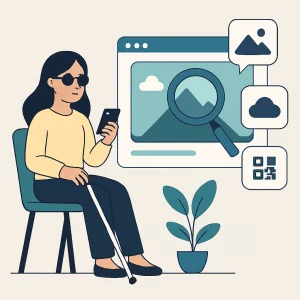
Image recognition is a technology that uses artificial intelligence to identify and process objects, people, text, and even actions within images. In the context of accessibility, image recognition means making digital content and environments easier to use for everyone, including people with disabilities. For example, imagine someone who is visually impaired trying to understand what is displayed in an online image. Image recognition technology can automatically describe the image out loud or provide text so that the user gets the information that sighted people see. This development is not only helpful but essential for creating a more inclusive world where digital spaces are open to all.
Enabling better online experiences for the visually impaired
One of the most powerful applications of image recognition is its ability to serve people who are blind or have low vision. By analyzing photos and graphics, the technology can generate “alt text” — short descriptions that can be read by screen readers. Some platforms like social media websites and messaging apps already integrate this feature. As a result, users with visual impairments now have a much better understanding of the content their friends and colleagues share. Imagine browsing through a shopping website and, instead of missing product images, hearing descriptions such as “red cotton shirt with white buttons.” This level of detail provides a richer and more independent browsing experience.
Breaking language barriers with image-to-text translation
Image recognition doesn’t only help those with vision challenges; it can also assist people who face language barriers. Image-to-text translation tools allow users to take a picture of text — such as signs, menus, or documents — and have it automatically translated into a language they understand. This is particularly useful for travelers or immigrants navigating unfamiliar places. By simply pointing their phone camera at an image, users can access important information in real time. This not only boosts independence but also makes everyday tasks like shopping, traveling, and studying much simpler for everyone.
Supporting accessible education and learning
Education is another area where image recognition is making accessibility strides. Students with learning disabilities often need additional tools to help process visual information. Image recognition can convert textbooks with lots of images, charts, or diagrams into accessible digital formats. For instance, a complex science diagram can be described in words so that students who cannot see it can still learn from it. Furthermore, tools that recognize and read handwriting are becoming popular, making it easier for teachers to provide feedback and for students to interact more fully with course materials. As a result, education becomes a level playing field where all learners can succeed.
Enhancing public and everyday spaces for everyone
Beyond digital environments, image recognition is improving accessibility in our physical world. Smart cities are beginning to use cameras with image recognition to help people with disabilities navigate public spaces more safely. These systems can identify obstacles on sidewalks, detect when a crosswalk is clear, or give audio instructions for using ticket kiosks and public transport. Even inside the home, smart devices use image recognition to help users identify products, organize their rooms, or monitor personal health. These innovations mean that accessibility is no longer just an option but a standard, supporting all individuals in living more independent and empowered lives.
Learn more
- Image Recognition Overview
- What is Machine Learning?
- Top 5 Uses of Image Recognition
- Are Machines becoming Smarter than Humans?
- Rising Popularity of Image Recognition
- Image Recognition Trends
- Prevent Crime and Improve Security with Facial Recognition
- Image Recognition in Medical Use
- Image Recognition Software on Cloud Platforms
- Image Recognition is Transforming Business
- Facial Recognition for Brand Awareness
- Image Recognition on Facebook
- Future of Image Recognition
- How Image Recognition is Changing Online Shopping
- How Image Recognition is Improving Online Security
- Image Recognition for Environmental Protection
- How Image Recognition is Enhancing Customer Experience
- How Image Recognition is Enhancing Education
- How Image Recognition Supports Transportation Systems
- How Image Recognition is Streamlining Manufacturing Processes
- How Image Recognition is Helping Agriculture Thrive
- Understanding How Image Recognition Improves Accessibility
- How Image Recognition is Simplifying Everyday Life
- How to Choose Image Recognition Software
- How Image Recognition Helps Content Moderation
- How Image Recognition Works Step by Step
- Image Recognition in Smart Cities
- Image Recognition and Data Privacy
- Benefits of OCR for Modern Businesses