
Identify and recognize mouse in your image. Our image recognition tool uses machine learning and will also identify other objects found in your image. You can also select and vary the detection confidence and the number of objects that you want to detect.
Use AI to identify objects in your image. Vary the detection confidence and the number of objects that you want to detect below.

Click image to enlarge
The word and object ‘mouse’ has a frequency score of 4.29 out of 7, which means that it is a pretty popular word.
According to the English dictionary, some meanings of ‘mouse’ include:
- to go stealthily or furtively (verb)
- a swollen bruise caused by a blow to the eye (noun)
- a hand-operated electronic device that controls the coordinates of a cursor on your computer screen as you move it around on a pad, on the bottom of the device is a ball that rolls on the surface of the pad (noun)
- any of numerous small rodents typically resembling diminutive rats having pointed snouts and small ears on elongated bodies with slender usually hairless tails (noun)
- manipulate the mouse of a computer (verb)
- person who is quiet or timid (noun)
How Image Recognition is Streamlining Manufacturing Processes
The role of image recognition in modern manufacturing
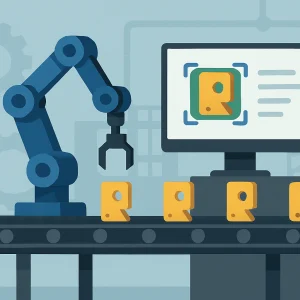
In today’s fast-paced manufacturing world, efficiency and accuracy are crucial. Image recognition is quickly becoming a powerful tool that companies use to improve how they produce goods. This technology allows computers to “see” by analyzing digital images or videos, helping to identify items, detect defects, or manage machines. Unlike traditional quality control methods, which rely on manual checks, image recognition systems automate these inspections, making the process faster and much more reliable.
Improving quality control and defect detection
One of the main ways image recognition helps manufacturing is by improving quality control. Cameras placed along the production line continuously capture images of products as they are made. Specialized software examines these images to spot any defects, inconsistencies, or irregularities that might be missed by the human eye. This not only increases the overall quality of products but also cuts down on waste and saves time. Early detection of mistakes allows factories to fix problems before they get too big or expensive.
Boosting efficiency and reducing costs
Image recognition systems can also automate tedious tasks that usually require a lot of manual labor. For example, counting components, sorting items, or ensuring labels are correct can all be handled automatically by these smart cameras and software. By freeing up workers from repetitive tasks and minimizing human error, factories can produce more items in less time and at a lower cost. This technology even helps predict when machines need repairs by analyzing images for signs of wear, reducing unexpected breakdowns and costly downtime.
Enhancing workplace safety
Safety is a top priority in industrial environments. With image recognition, cameras and sensors can monitor workspaces in real time to spot unsafe actions or hazards, such as a person entering a restricted area or not wearing safety gear. Automated alerts can notify both employees and supervisors, helping prevent accidents before they occur. This not only protects workers but also helps companies avoid costly safety violations and maintain a better reputation.
The future of image recognition in manufacturing
As image recognition technology gets smarter, its impact on manufacturing will continue to grow. More manufacturers are adopting these systems to stay competitive, reduce costs, and deliver higher-quality products. In the future, we can expect image recognition to work even closer with other systems like robotics and artificial intelligence. This combination will allow factories to self-optimize in real time, making decisions faster and adapting to changes without human involvement. It’s clear that image recognition is not just a trend—it’s a revolution that will keep shaping the factory floors of tomorrow.
Learn more
- Image Recognition Overview
- What is Machine Learning?
- Top 5 Uses of Image Recognition
- Are Machines becoming Smarter than Humans?
- Rising Popularity of Image Recognition
- Image Recognition Trends
- Prevent Crime and Improve Security with Facial Recognition
- Image Recognition in Medical Use
- Image Recognition Software on Cloud Platforms
- Image Recognition is Transforming Business
- Facial Recognition for Brand Awareness
- Image Recognition on Facebook
- Future of Image Recognition
- How Image Recognition is Changing Online Shopping
- How Image Recognition is Improving Online Security
- Image Recognition for Environmental Protection
- How Image Recognition is Enhancing Customer Experience
- How Image Recognition is Enhancing Education
- How Image Recognition Supports Transportation Systems
- How Image Recognition is Streamlining Manufacturing Processes
- How Image Recognition is Helping Agriculture Thrive
- Understanding How Image Recognition Improves Accessibility
- How Image Recognition is Simplifying Everyday Life
- How to Choose Image Recognition Software
- How Image Recognition Helps Content Moderation
- How Image Recognition Works Step by Step
- Image Recognition in Smart Cities
- Image Recognition and Data Privacy
- Benefits of OCR for Modern Businesses