
Identify and recognize margin in your image. Our image recognition tool uses machine learning and will also identify other objects found in your image. You can also select and vary the detection confidence and the number of objects that you want to detect.
Use AI to identify objects in your image. Vary the detection confidence and the number of objects that you want to detect below.

Click image to enlarge
The word and object ‘margin’ has a frequency score of 3.32 out of 7, which means that it is not a very popular word, but is used quite frequently in English.
According to the English dictionary, some meanings of ‘margin’ include:
- (finance) the net sales minus the cost of goods and services sold (noun)
- the amount of collateral a customer deposits with a broker when borrowing from the broker to buy securities (noun)
- a permissible difference, allowing some freedom to move within limits (noun)
- the boundary line or the area immediately inside the boundary (noun)
- an amount beyond the minimum necessary (noun)
- the blank space that surrounds the text on a page (noun)
How Image Recognition Supports Transportation Systems
Introduction to image recognition in transportation
Transportation is one of the most vital parts of modern life, helping people and goods move efficiently from one place to another. In recent years, technology has played a major role in making transportation safer and more reliable. One key technology leading this change is image recognition. By allowing computers to “see” and understand images from cameras, image recognition is making many improvements in how vehicles and public transport operate. From smarter traffic management to improved safety, image recognition is truly supporting transportation in many ways.
Managing traffic flow and reducing congestion
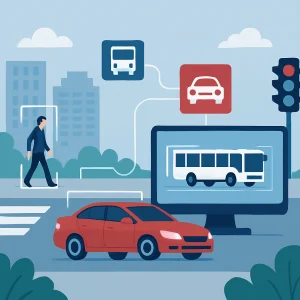
Traffic jams are a common problem in cities around the world, causing wasted time and frustration for drivers. Image recognition helps solve this by analyzing live footage from traffic cameras. Special software can detect the number of vehicles on a road, recognize accidents or stalled cars, and automatically adjust traffic light timings for smoother flow. City officials can also use this information to spot patterns or problem areas so they can plan better road improvements. By using real-time data from image recognition, it becomes easier to keep traffic moving and reduce unnecessary delays.
Improving safety with smart vehicles and surveillance
Safety is a top priority in transportation, and image recognition is a valuable partner in this mission. Modern cars are equipped with cameras and image recognition systems that help drivers avoid accidents. These systems can identify pedestrians, cyclists, and other vehicles, providing alerts or automatically applying brakes if danger is detected. Public buses and trains use cameras to monitor passengers and surroundings, detecting suspicious activity and helping prevent crime. In airports and train stations, image recognition supports security staff by automatically flagging unusual behavior or abandoned items, making travel safer for everyone.
Supporting public transport and logistics operations
Public transportation companies and logistics firms benefit from image recognition as well. For buses and trams, cameras equipped with image recognition tools count the number of passengers boarding and exiting, allowing for better scheduling and resource planning. For shipping and delivery, image recognition systems track packages using images from warehouse cameras, ensuring that goods are handled correctly and arrive on time. Some cities use image recognition to identify license plates, making toll collection and parking fee payment faster and more accurate. These technologies help transportation systems run more smoothly and efficiently, with reduced errors and delays.
The future of image recognition in transportation
As the world continues to develop smarter cities and roads, the role of image recognition in transportation will only grow. Future advancements might include self-driving cars that rely heavily on image recognition to navigate safely. Improved software could help cities predict and prevent traffic problems before they happen, and security systems may get even better at protecting passengers and cargo. With ongoing innovation, image recognition will continue to support transportation systems, making travel safer, faster, and more convenient for everyone.
Learn more
- Image Recognition Overview
- What is Machine Learning?
- Top 5 Uses of Image Recognition
- Are Machines becoming Smarter than Humans?
- Rising Popularity of Image Recognition
- Image Recognition Trends
- Prevent Crime and Improve Security with Facial Recognition
- Image Recognition in Medical Use
- Image Recognition Software on Cloud Platforms
- Image Recognition is Transforming Business
- Facial Recognition for Brand Awareness
- Image Recognition on Facebook
- Future of Image Recognition
- How Image Recognition is Changing Online Shopping
- How Image Recognition is Improving Online Security
- Image Recognition for Environmental Protection
- How Image Recognition is Enhancing Customer Experience
- How Image Recognition is Enhancing Education
- How Image Recognition Supports Transportation Systems
- How Image Recognition is Streamlining Manufacturing Processes
- How Image Recognition is Helping Agriculture Thrive
- Understanding How Image Recognition Improves Accessibility
- How Image Recognition is Simplifying Everyday Life
- How to Choose Image Recognition Software
- How Image Recognition Helps Content Moderation
- How Image Recognition Works Step by Step
- Image Recognition in Smart Cities
- Image Recognition and Data Privacy
- Benefits of OCR for Modern Businesses