
Identify and recognize lapse in your image. Our image recognition tool uses machine learning and will also identify other objects found in your image. You can also select and vary the detection confidence and the number of objects that you want to detect.
Use AI to identify objects in your image. Vary the detection confidence and the number of objects that you want to detect below.

Click image to enlarge
The word and object ‘lapse’ has a frequency score of 3.13 out of 7, which means that it is not a very popular word, but is used quite frequently in English.
According to the English dictionary, some meanings of ‘lapse’ include:
- a mistake resulting from inattention (noun)
- pass into a specified state or condition (verb)
- pass by (verb)
- go back to bad behavior (verb)
- drop to a lower level, as in one's morals or standards (verb)
- a failure to maintain a higher state (noun)
- a break or intermission in the occurrence of something (noun)
- end, at least for a long time (verb)
- let slip (verb)
How Image Recognition is Enhancing Education
Understanding the role of image recognition in education
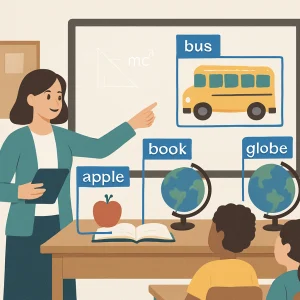
Image recognition technology has made a significant impact on many industries, and now it is making its way into the world of education. This technology allows computers and devices to identify and analyze images. For students and teachers, this means new and exciting ways to learn, teach, and interact with information. Image recognition helps turn regular classroom experiences into interactive and engaging sessions by offering a mix of visual and digital learning tools.
Creating interactive learning experiences
One of the biggest benefits of image recognition in education is its ability to create interactive learning experiences. For example, educational apps can now recognize pictures from textbooks, handwritten notes, or even objects brought from home. When students scan an image, the software can provide real-time feedback, show extra information, or even play related videos. This not only makes learning more fun but also helps students who learn better with visuals. Teachers can also use these tools to create more dynamic lessons that capture students’ attention.
Personalizing student support
Image recognition tools make it possible to personalize the way students learn. For instance, if a student is struggling with handwriting, an app can identify the letters or words they write and suggest practice exercises. Visual learning is essential for students with different needs, such as those with learning disabilities. With image recognition, materials can be modified to suit each student’s style. This technology also helps teachers track progress by analyzing student work quickly, letting them know who needs extra help and who is excelling.
Making information more accessible
Accessibility is crucial in education, and image recognition offers new ways to make learning materials available to everyone. For students with vision problems, apps can recognize text and read it aloud. Those learning a new language can use their phone to scan unfamiliar words or objects and get instant translations. Museums and libraries are also using image recognition to help visitors access extra details about exhibits—just by pointing their cameras at an item. This technology breaks down barriers and lets all students participate in new ways.
The future of image recognition in education
As image recognition technology improves, its role in education will continue to grow. Schools and teachers will find even more creative ways to use it, from virtual science labs to gamified history lessons. This technology has the potential to make learning more inclusive, interactive, and effective for everyone. While challenges remain—such as ensuring privacy and access to devices—there is no doubt that image recognition will shape the future classroom. By harnessing its power, education becomes smarter, more engaging, and open to all.
Learn more
- Image Recognition Overview
- What is Machine Learning?
- Top 5 Uses of Image Recognition
- Are Machines becoming Smarter than Humans?
- Rising Popularity of Image Recognition
- Image Recognition Trends
- Prevent Crime and Improve Security with Facial Recognition
- Image Recognition in Medical Use
- Image Recognition Software on Cloud Platforms
- Image Recognition is Transforming Business
- Facial Recognition for Brand Awareness
- Image Recognition on Facebook
- Future of Image Recognition
- How Image Recognition is Changing Online Shopping
- How Image Recognition is Improving Online Security
- Image Recognition for Environmental Protection
- How Image Recognition is Enhancing Customer Experience
- How Image Recognition is Enhancing Education
- How Image Recognition Supports Transportation Systems
- How Image Recognition is Streamlining Manufacturing Processes
- How Image Recognition is Helping Agriculture Thrive
- Understanding How Image Recognition Improves Accessibility
- How Image Recognition is Simplifying Everyday Life
- How to Choose Image Recognition Software
- How Image Recognition Helps Content Moderation
- How Image Recognition Works Step by Step
- Image Recognition in Smart Cities
- Image Recognition and Data Privacy
- Benefits of OCR for Modern Businesses