
Why image recognition matters in quality control
Quality control is an important part of manufacturing, packaging, and product handling. Businesses need to check whether products meet standards before they reach customers. Traditional inspection often depends on manual review, which can be slow, repetitive, and difficult to scale. Image recognition adds another layer of support by helping teams analyze visual details quickly and consistently. With AI-based image analysis, companies can examine photos or video frames to detect visible defects, missing parts, incorrect labels, damaged packaging, or irregular shapes. This makes image recognition useful in production lines where speed and accuracy both matter. It can help reduce human error in routine checks and improve the consistency of inspections across large volumes of items. For a website focused on AI-powered image analysis, quality control is a natural use case because it shows how object recognition, text reading, and image classification can work together in practical business environments.
Many quality issues can be identified through visual patterns. A product may have a scratch, a wrong color, a dent, a broken seal, or a printing error on its label. In other cases, the issue may involve missing components, poor alignment, or an unreadable serial number. Image recognition systems can be trained or configured to look for these problems based on examples and rules. OCR can help check expiration dates, lot numbers, and printed instructions. Object detection can confirm that expected items are present in the right position. Classification models can separate acceptable products from defective ones based on visual features. This kind of inspection can support many industries, including electronics, food packaging, consumer goods, automotive parts, and pharmaceuticals. While AI does not replace every form of quality testing, it is especially useful for repeatable visual checks that need to happen at high speed.
How AI image analysis supports inspection workflows
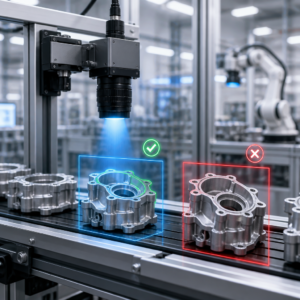
In a typical workflow, cameras capture images of products during different stages of production or packaging. The image recognition system then analyzes the content and compares it with expected patterns. If the system detects an issue, it can flag the image for human review, mark the item for removal, or trigger a quality alert. This process helps businesses act faster when defects appear and can prevent larger batches of faulty products from moving forward. Depending on the setup, analysis may happen in real time on a production line or later through batch processing. Real-time use is valuable when immediate decisions are needed, while batch analysis can support audits, reporting, and trend detection over time. The same general approach can also be used in warehouses and fulfillment centers to verify package condition and label accuracy before shipment.
One of the main advantages of image recognition in quality control is consistency. Human inspectors may become tired during repetitive tasks, especially when defects are small or uncommon. AI systems can review large numbers of images using the same criteria each time. This does not mean the process should be fully unsupervised in every case. Many organizations use image recognition as a decision-support tool rather than a complete replacement for manual review. A practical strategy is to let AI handle first-pass screening and send uncertain cases to trained staff. Confidence scores can help determine which images are clear enough for automated decisions and which need a second look. This balanced approach can improve efficiency while still protecting quality standards. It also supports continuous improvement, because teams can study false positives and false negatives to refine the system over time.
Key considerations for successful implementation
For image recognition to work well in quality control, image quality and process design matter as much as the model itself. Lighting should be stable, camera angles should be consistent, and backgrounds should be controlled whenever possible. Products need to appear clearly in the frame so the system can focus on the correct features. It is also important to define what counts as a defect and what level of variation is acceptable. Clear rules help reduce confusion when interpreting results. Businesses should test the system with realistic samples, including both standard items and edge cases. They should also review how the tool fits into daily operations, from image capture to alerts and reporting. When implemented carefully, image recognition can support faster inspections, lower waste, better traceability, and a more reliable customer experience. For companies exploring AI image analysis, quality control is one of the most practical and measurable areas where the technology can deliver value.


